Activix
  AutoTrader
  Black Book
  CarGurus
  Equifax
  TransUnion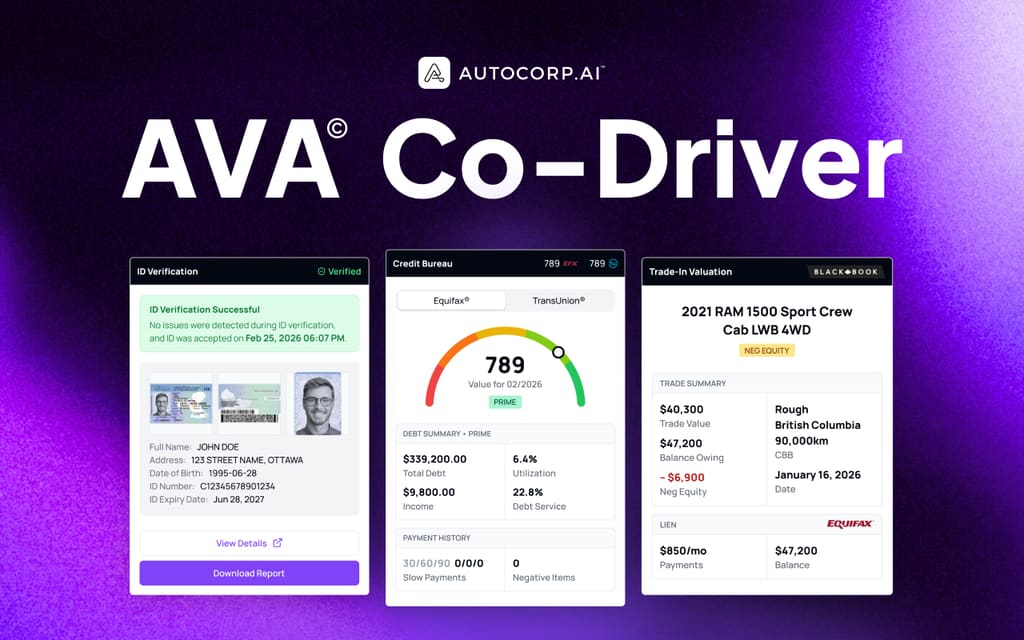


Picture this: it's a Tuesday afternoon and a young salesperson at a dealership in Mississauga closes their third deal of the week. The customer came in pre-qualified, the financing conversation took 20 minutes instead of two hours, and the commission cheque at the end of the month clears $6,000. That's not a fantasy — it's what a well-prepared, tech-savvy car salesperson in Canada can realistically achieve.
According to PayScale's Canada data, automotive retail salespeople earn between CAD $29,000 and $87,000 in base salary, with total pay (including commission) ranging from $30,000 to $99,000+. Top performers at high-volume urban dealerships regularly clear $90,000–$120,000+ annually. The commission structure typically pays 20–30% of the gross profit per vehicle — so on a deal where the dealer makes $2,000, you pocket $400–$600 on the front end alone, before F&I products like extended warranties and financing add another $300–$700 per deal.
If that sounds like a career worth pursuing, here's exactly how to get there.
Kickstart Your Career with Essential Requirements
Before you walk into your first dealership interview, make sure you have the basics locked in. The requirements are consistent across most provinces:
- High school diploma or equivalent — the baseline for most dealership applications.
- Valid driver's licence with a clean record — you'll be behind the wheel of customers' potential purchases, so a spotless abstract matters.
- Strong communication skills — don't just list this on your resume. In your cover letter, describe a specific situation where you turned a difficult conversation into a positive outcome. Hiring managers notice the difference.
- Sales aptitude and genuine curiosity about vehicles — if you can walk into a showroom and talk confidently about the difference between a CVT and a dual-clutch transmission, you're already ahead of most applicants.
One practical tip: before applying, spend time on manufacturer websites learning the trim levels, towing capacities, and tech features of the brands carried by dealerships you're targeting. Bring that knowledge to the interview. It signals preparation, and preparation is what separates candidates who get callbacks from those who don't.

Navigate the Licensing Requirements in Your Province
Every province has its own regulatory body, and you cannot legally sell vehicles without being registered. Here's a breakdown of the main ones:
Ontario — OMVIC
Complete the OMVIC Automotive Certification Course through the Automotive Business School of Canada (ABSC), pass a background check via BackCheck, and submit your registration application online. Your application cannot be approved until the course is finished.
Alberta — AMVIC
Register with the Alberta Motor Vehicle Industry Council (AMVIC) and complete their Salesperson Registration Course. AMVIC's licensing policy (updated January 2024) outlines the full application and renewal process.
British Columbia — VSA
Apply through the Vehicle Sales Authority of BC (VSA). The process involves a Salesperson Licensing Course ($441) plus a $203 application and first-year licence fee. You must be at least 19 years old and employed by a licensed motor dealer before your licence is issued.
Other Provinces
Each province has its own body — Saskatchewan vehicle dealer and salesperson licensing is overseen by the Financial and Consumer Affairs Authority (FCAA), Quebec has the OPC (Office de la protection du consommateur) for consumer protection compliance, and Manitoba dealers and salespeople register through the Manitoba Securities Commission. Check your provincial government's consumer protection or motor vehicle industry website for the specific registration steps.
Getting licensed isn't a bureaucratic hurdle — it's the foundation of your professional credibility. Customers trust registered salespeople, and dealerships hire them.
Build the Experience That Gets You Hired
Formal automotive experience isn't always a prerequisite, but prior sales experience — even in retail, insurance, or real estate — gives you a real edge. The skills transfer directly: handling objections, reading buying signals, managing follow-up without being pushy.
If you're starting from scratch, consider a part-time role in any customer-facing sales environment for six to twelve months. Focus specifically on:
- Practicing active listening (let the customer talk 60% of the time)
- Handling price objections without immediately discounting
- Following up consistently without annoying people
These are the exact skills dealership sales managers look for in interviews. When you can walk in and describe how you turned a "just browsing" customer into a committed buyer, you've already done most of the work.
For a deeper look at what separates average from exceptional, read our piece on The Characteristics of a Good Salesperson and a Great Salesperson.
Land Your First Dealership Role
Getting your foot in the door is about being specific and persistent — not just blasting your resume to every dealership in the city.
Network with intention. Attend local automotive events, car shows, and dealer association meetups. LinkedIn is useful here too — connect with sales managers and GMs at dealerships you want to work at, and engage with their content before you reach out directly.
Apply directly and tailor every application. A generic cover letter gets deleted. Research the dealership's brand, their top-selling models, and any recent news about their group. Reference it in your letter. One sentence that shows you did your homework is worth more than three paragraphs of generic enthusiasm.
AVA® surfaces soft-pull credit, trade equity, and verified ID on every lead. Take the 60-second tour.
Prepare for the interview like a sales call. The interview is a sales call — you're selling yourself. Research the dealership's inventory, know their current promotions, and come ready to demonstrate how you'd handle a customer who walks in and says "I'm just looking." Practice your answer out loud before you go in.
Stay Sharp: Continuous Learning That Actually Moves the Needle
The salespeople who plateau are the ones who stop learning after their first year. The ones who consistently hit the top of the board keep investing in their skills.
Here are specific resources worth your time:
- Manufacturer training programs — every OEM (Toyota, Ford, GM, etc.) offers certified product training for salespeople at their dealerships. Complete every module available to you. Customers notice when you know the product cold.
- NADA Academy — the National Automobile Dealers Association runs sales training programs that cover everything from the sales process to F&I fundamentals. Their workshops are structured for both new and experienced salespeople.
- Joe Verde Training — widely used across Canadian and American dealerships, Verde's workshops and online courses focus specifically on automotive sales techniques, including how to handle internet leads and phone-ups.
- Autocorp.ai's Dealer Edge Newsletter — a monthly read consumed in 15 minutes, covering the tactics and tools high-performing automotive professionals are actually using right now.
On the product knowledge side, block 30 minutes every week to review new model updates, competitor comparisons, and financing changes. The customer who walks in having done three hours of online research will test you — and you need to be ready.
We've also written a detailed guide on how to train and retain dealership salespeople if you want to understand what the best managers are looking for from their teams.
Use Technology to Close Faster and Serve Better
This is where a lot of newer salespeople leave money on the table. The tools available to dealership sales teams today are genuinely different from what existed five years ago — and the ones who learn them early have a measurable advantage.
CRM systems are the backbone of any organized sales process. According to AutoRaptor, dealerships using AI-enabled CRM tools respond to leads in under 60 seconds and see 20–30% stronger appointment show rates — compared to the industry average of 47 hours to first response (Harvard Business Review). Separately, research shows that 84% of CRM leads go untouched after 30 days, which means the salesperson who follows up consistently is automatically ahead of the majority of their peers. Popular automotive CRMs include VinSolutions, DealerSocket, and Elead — ask your dealership which one they use and get trained on it in your first week. For a broader look at the CRM landscape, check out our breakdown of the 5 Best Automotive CRMs for Dealerships in 2025.
Credit qualification tools have changed how the best salespeople open conversations. Instead of waiting until a customer is sitting in the F&I office to find out what they can actually afford, tools like AVA™ Credit let you run a no-impact soft pull credit check upfront — before the test drive, before the negotiation. The customer's credit score range appears in the lead profile, so you can match them to the right vehicle from the start rather than wasting both their time and yours on something that won't get financed. Dealerships using a credit-first approach report a 3X increase in website conversions and a 35% bump in lead conversions.
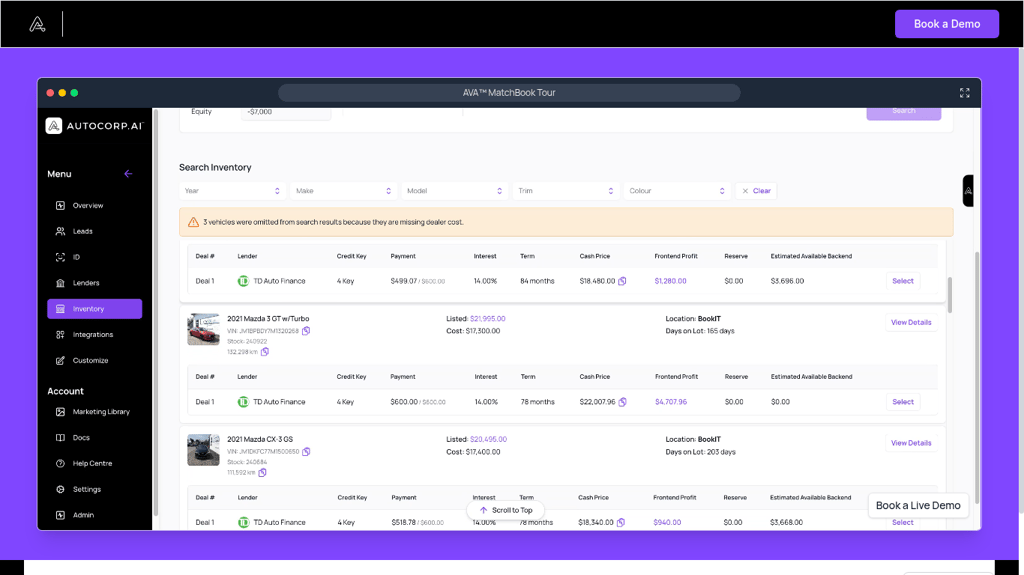
Inventory matching tools take this a step further. AVA™ MatchBook, for example, lets you enter a customer's lender approvals and instantly see which vehicles in your inventory fit their deal structure — payment, term, interest rate, and front-end profit all calculated in real time. Instead of walking a customer through 40 vehicles and hoping something sticks, you're showing them the three that actually work for their budget and their approval. Most dealerships report cutting their matching process from hours to minutes.
Build a Personal Brand That Generates Referrals
The salespeople earning six figures aren't just closing walk-ins — they're building a book of business that sends them referrals month after month. That starts with your personal brand.
LinkedIn is underused by most automotive salespeople. Post about vehicles you're excited about, share customer success stories (with permission), and comment thoughtfully on industry news. A GM or fleet buyer who sees you consistently showing up with relevant insights is far more likely to reach out when they're ready to buy.
Your reputation in the community is your longest-term asset. One customer who had a genuinely great experience will tell three people. One who felt rushed or misled will tell ten. Focus on the experience as much as the close — and follow up after delivery, not just before.
Attend local industry events. Dealer association meetings, automotive trade shows, and even local business networking events put you in front of people who buy vehicles for their businesses, their families, and their teams. Show up, be helpful, and don't pitch. The relationships you build there will pay off over years, not weeks.

Your Next Move Starts Today
A career in automotive sales in Canada isn't something you drift into — it's something you build deliberately. The licensing process is straightforward. The income potential is real. And the tools available to today's salespeople make it possible to close deals faster and serve customers better than any previous generation of the profession.
Start by identifying the two or three dealerships in your area where you'd genuinely want to work. Research them. Get licensed in your province. And when you walk in for that interview, walk in knowing their inventory, their brands, and what kind of salesperson they're looking for.
The floor is yours.
Want to understand how the best dealerships are qualifying buyers before the conversation even starts? Explore how AVA™ Credit works — and see why dealerships using a credit-first approach are seeing a 35% bump in lead conversions and 28% lift in revenue.