Activix
  AutoTrader
  Black Book
  CarGurus
  Equifax
  TransUnion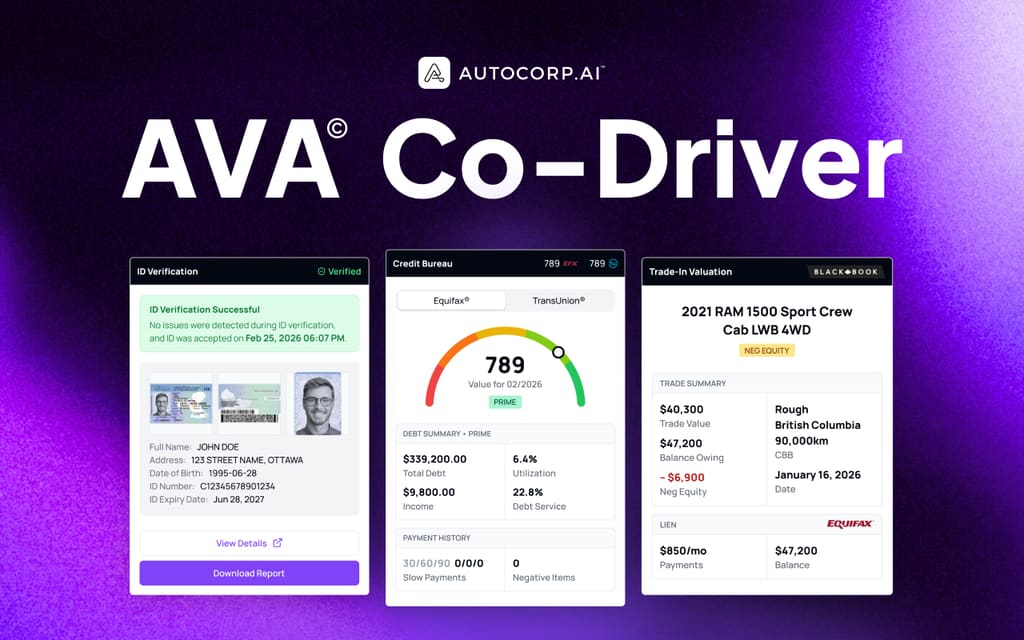


Social Media Strategies Every Car Dealership Needs to Boost Sales
Two years ago, I sat in on a strategy call with a mid-sized Ontario dealer who told me flat out: "We post inventory photos three times a week. That's our strategy." Their Facebook page had 4,200 followers and roughly zero attributable sales. Sound familiar?
The numbers explain why that approach stopped working. In the 2025 Snap x Havas x Alter Agents auto study, 67% of car buyers said they used social media during their vehicle search, jumping to 74% for Gen Z. Half of Gen Z buyers made their most recent purchase entirely online. And according to Demand Local's 2025 automotive engagement report, dealerships that get social right hit a 4.8% Instagram engagement rate — that's 104x the all-industry median of 0.046%.
Social isn't the top of the funnel anymore. For a growing share of buyers, it is the funnel.
Key Takeaways
Instead of a bullet list, here's what I've watched actually move the needle for the dealer marketing teams we work with at Autocorp:
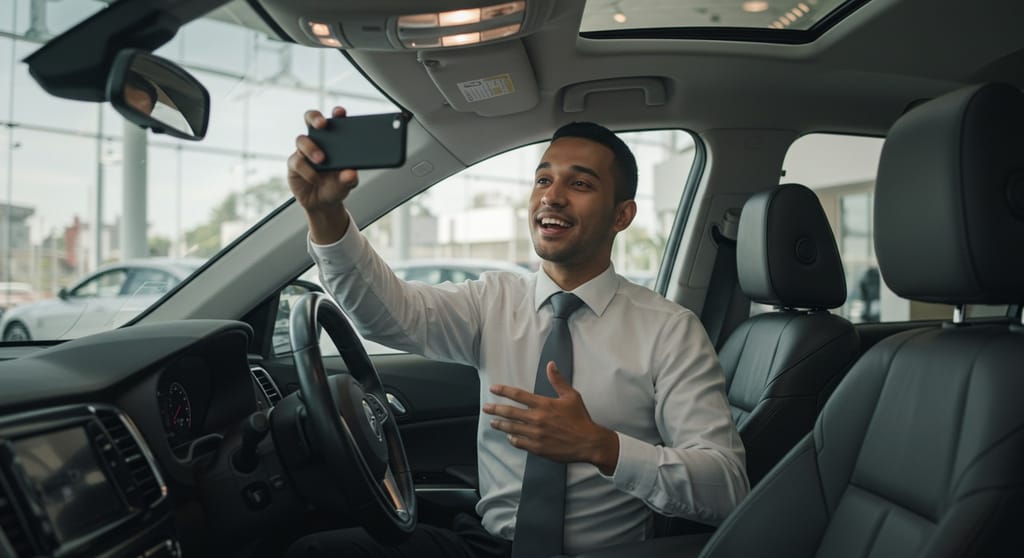
The dealer I mentioned above stopped posting static inventory grids and shifted to short walkaround videos filmed by a salesperson on a phone. Within 90 days, their Facebook message volume tripled and their cost per lead on Meta ads dropped from around $46 to just under $30. Not magic — just content people actually wanted to watch.
A used-car store in Alberta ran a geo-targeted retargeting campaign at people who'd viewed pricing pages on their website. The click-through rate on that audience was roughly 4x their cold prospecting. That's the difference between hoping and targeting.
And the biggest pattern I keep seeing: dealers who pair social content with an upfront credit and trade-in qualification step stop drowning in low-intent leads. Their sales teams stop chasing ghosts and start calling people who've already told them what they can afford. According to Capital One's 2025 Car Buying Outlook, 69% of buyers now see dealers as trustworthy — up from 44% in 2023 — and that trust compounds when you meet them online with real, useful information.
Why Social Media Matters More Than Ever for Dealerships
Here's a story that stuck with me. A single-rooftop domestic store outside Calgary was getting hammered by a big national group opening a new location 15 minutes away. Their GM was ready to spend $80K on a radio blitz. Instead, their marketing manager convinced him to reallocate half of it to a 60-day social campaign: employee introductions, financing myth-busting Reels, and delivery-day videos from real customers.
Eight weeks in, their Google review count went up 41, their Facebook messages jumped from a handful a week to 12–20 a day, and — the part the GM cared about — their walk-in traffic held steady even after the competitor opened. The messaging wasn't clever. It was human. Their finance manager, Chad, became a low-key local celebrity for explaining lease buyouts in under 60 seconds.
That's what social does now. It shapes what buyers think of you before they've clicked a single VDP. And with 95% of car shoppers starting their journey online, the impression you make on Instagram or TikTok is often the first impression, full stop.

Turning Social Profiles Into a Digital Showroom
Your social feed should feel like walking onto your lot — approachable, informative, and staffed by real people. It shouldn't feel like a brochure someone printed in 2014.
The dealers doing this best right now aren't running Hollywood shoots. They're doing three things consistently:
They film walkarounds on a phone. One salesperson, one vehicle, one feature they think is genuinely cool. Keep it under 45 seconds. Vertical. Real voice. No music-only inventory montages — those get skipped every time.
They answer questions on camera. "Can I roll negative equity into a new lease?" "What's the difference between GAP and warranty?" Two-minute explainer videos from a finance manager consistently outperform polished ads in engagement and comment quality.
They show the room, not just the car. Delivery photos. Service bay tours. The dog that lives in the sales office. Buyers want to know who they're driving 45 minutes to meet.
For tooling, dealers I talk to lean on CapCut for quick vertical edits, Canva for consistent thumbnails and captions, and Later or Metricool for scheduling across platforms. If you want to shortcut the writing side, our free AI Social Post Writer is built specifically for dealerships and takes about 20 seconds per post.
Reaching the Right Local Buyers With Precision Targeting
Broad reach is a trap. A dealership in Kingston doesn't need impressions in Vancouver.
The targeting stack that consistently works for the marketing teams I've compared notes with looks like this:
A geo-fence of roughly 30–50 km around the rooftop (adjust for rural vs. urban). Layered on top: a website retargeting audience built from people who hit pricing or VDP pages in the last 30 days. Then a 1% lookalike of actual buyers exported from the DMS — not form fills, actual buyers. Finally, a behavioural layer for people showing in-market auto signals.
One franchise Honda store in southern Ontario told me they cut their Meta cost per lead almost in half after replacing "people interested in cars" (essentially everyone) with a retargeting-first structure. Their close rate on social leads doubled in the same window, because the audience was already halfway down the funnel before the ad ever ran.
Attribution matters here too. If you can't tie the click to a real sale, you're guessing. That's why we built UTM Campaign Tracking inside AVA — so dealers can see which social campaigns actually produced test drives and units, not just leads.
Building Trust Through Real, Human Content
Buyers can spot a stock photo from a mile away. What they can't fake a reaction to is a delivery-day video where a first-time buyer is genuinely grinning next to their new SUV.
Behind-the-scenes content that consistently performs:
- The "meet the team" reel — 10-second clips of each salesperson saying one true thing about themselves. Not "I love helping customers." More like "I've owned four Civics and I will fight you about it."
- The service bay tour — surprisingly popular. Buyers want to see where their car will be worked on.
- The financing myth-buster — a finance manager on camera saying "no, a soft credit check does not hurt your score" does more for trust than any banner ad.
- The delivery wall — a monthly montage of new-owner photos. Customers love being included; prospects love the social proof.
One dealer principal I spoke with put it plainly: "We stopped writing captions like a car company and started writing them like a person who happens to sell cars. That was the whole shift." His response rate on DMs climbed from around 20% to over 70% within a quarter.
The trust piece also connects directly to the tools you use behind the scenes. When a shopper clicks from Instagram to a no-impact credit pre-qualification form powered by Equifax instead of a 14-field lead capture, they convert. When they see a transparent trade-in offer powered by real Canadian Black Book data, they trust it. Social gets them to the door; the experience on the other side is what closes them.
Choosing the Right Platforms in 2026
AVA® converts your website and campaign traffic into buyers with real credit intent. Walk through it.
Book a demo →You don't have to be everywhere. You have to be right somewhere.
TikTok is where audience growth actually lives right now. According to the 2026 Emplifi Social Media Benchmark Report, brand follower counts on TikTok grew more than 200% year over year in 2025, and TikTok generated twice the median interactions of Instagram and 20x the median interactions of Facebook. Median engagement hit 27.6% in Q4 2025. If you're chasing first-time buyers and Gen Z, this is non-negotiable.
Instagram is coasting but still matters, especially for visual storytelling and DMs. Organic reach fell 30–40% across every post format including Reels last year, so treat Instagram as a portfolio and a messaging channel, not a growth channel.
Facebook still wins for local targeting, Marketplace visibility, reviews, and Messenger conversations — particularly for buyers 35+. Don't abandon it; just stop expecting organic reach miracles.
YouTube Shorts is quietly becoming a great home for inventory highlights and educational clips, because the content lives longer than a TikTok and shows up in Google search results.
Pick two platforms and be great. Being mediocre on five is worse than being excellent on two.
Content That Actually Drives Engagement
Algorithms in 2026 reward shares and saves more than likes. Here are three formats worth stealing, with a quick "how to actually run this" for each:
"This or That" comparison posts. Two vehicles from your inventory, side by side, one question: "Weekend project truck — Tacoma or Ranger?" Post as a carousel on Instagram, a poll sticker in Stories, and a duet-friendly video on TikTok. The comments do the algorithmic work for you. Aim for one per week.
Polls tied to a real buyer decision. "Financing or leasing for a first car — which are you leaning toward?" Follow up in the comments with a link to your financing FAQ or a soft-pull pre-qualification. You're gathering intent data and building an email/DM list of people to nurture.
60-second "explain it like I'm buying my first car" videos. Pick one question from an actual customer conversation this week — negative equity, gap insurance, why interest rates vary by term. Answer it in one take on camera. No script, no cuts. These outperform polished content roughly 3-to-1 in our clients' experience.
Paid Social Ads That Focus on Quality Leads
Paid social is still one of the strongest channels for dealers — but the definition of "working" has changed. Volume of form fills isn't the goal anymore. Qualified conversations are.
The campaigns actually producing units in 2026:
- Match creative to buyer intent (retargeting audience gets a payment-focused ad, cold audience gets a brand video)
- Send traffic to a pre-qualification page, not a generic lead form
- Retarget aggressively for 14 days after any inventory page visit
- Sell transparency: real payments, real trade values, no "click here for pricing" games
Pair that with fast follow-up (aim for under 5 minutes) and social ads can outperform third-party lead providers on both cost and close rate.
Measuring What Matters
Vanity metrics are comforting and useless. I've watched dealers celebrate 100K video views and close zero deals from them.
Here's how one Toyota store I worked with actually pivoted their strategy in Q3 last year. They were tracking likes and follower growth — both trending up. But their sales manager pointed out that units from social had flatlined for six months. So they rebuilt their reporting around four numbers:
- Engagement rate on organic content (are people actually interacting, or scrolling past?)
- Cost per credit-qualified lead — not per raw lead — from paid campaigns
- Click-through rate to inventory or pre-qual pages (does the content drive action?)
- Message response time and conversation-to-appointment rate
Within two months of that shift, they killed three underperforming ad sets, doubled down on their finance-manager explainer series, and grew attributed social units from 4 to 11 per month. Same budget. Different questions.
If you want a shortcut on the lead-quality side, our free Lead Quality Analyzer will score your current mix in about two minutes.
Common Questions About Social Media Strategies for Dealerships
Which social media platforms matter most for car dealerships in 2026?
Focus on TikTok for audience growth (200% YoY brand follower growth in 2025), Instagram for visual storytelling and DMs, Facebook for local targeting and Messenger, and YouTube Shorts for evergreen educational clips. One dealer I know cut Twitter/X entirely last year and reallocated the time to TikTok — units from social went up in the same quarter.
What types of dealership social posts drive the most sales leads?
Short vertical video, hands down. Walkarounds under 60 seconds, finance manager explainers, and delivery-day clips consistently outperform static inventory photos. Demand Local's 2025 data shows sub-60-second video hits roughly 50% engagement rates in automotive. A used-car dealer in Ottawa told me their single best-performing post of 2025 was a 40-second Reel of their detailer explaining how they clean interiors — 340 comments and 11 booked appointments.
How should dealerships target local car shoppers on social media?
Combine geo-fencing (30–50 km around the rooftop), website retargeting for pricing and VDP visitors, lookalikes built from actual DMS buyers (not form fills), and behavioural in-market signals. The dealers seeing the best ROI are running retargeting-first, not cold-audience-first.
What builds trust on social media for a dealership?
Show the team, show the process, and be honest about financing. Capital One's 2025 Outlook found trust in dealers jumped from 44% to 69% in two years — largely because dealers finally started using digital tools to be transparent. Delivery photos, behind-the-scenes team content, and finance-manager explainer videos all move the needle.
What social media metrics should dealerships track in 2026?
Skip likes and follower count. Track engagement rate on organic, cost per qualified lead on paid, click-through to inventory or pre-qual pages, and message response time. One Toyota store I worked with rebuilt their reporting around those four and grew attributed social units from 4 to 11 per month in eight weeks.
How often should a dealership post on social media?
Three to five times per week on your primary platform beats daily posting on five platforms. Consistency matters more than volume — the algorithm rewards accounts that post reliably.
Final Thoughts
Social media is where buyers form their opinion of your dealership before they ever fill out a form. The dealers winning in 2026 aren't the ones with the biggest ad budgets. They're the ones showing up like real people, answering real questions, and pairing that content with a smart way to qualify who's actually ready to buy.
If your social is filling the top of the funnel but your sales team is still drowning in bad leads, the problem isn't your content — it's what happens after the click. That's where a credit-first qualification layer like AVA turns social traffic into buyers your team actually wants to call.
The buyers are already scrolling. The question is whether your dealership shows up the right way.
Ready to turn social traffic into credit-qualified buyers?
Join 650+ dealerships using AVA to filter out low-intent shoppers and focus only on buyers with real credit intent and buying power. Book a demo today!