Managing automotive leads in 2026 looks very different than it did just a few years ago. Buyers are more informed, competition is tighter, and expectations around speed and transparency are higher than ever.
Dealerships are no longer struggling to generate leads, they’re struggling to manage them effectively. The real challenge is turning interest into action and identifying which shoppers are actually ready to buy.
Here are the best practices dealerships should follow to improve how they handle automotive leads and ultimately close more deals.
Not all automotive leads are created equal.
Many dealerships still focus heavily on increasing lead volume, but more leads doesn’t always mean more sales. In fact, chasing low-quality inquiries often wastes valuable time and slows down your team.
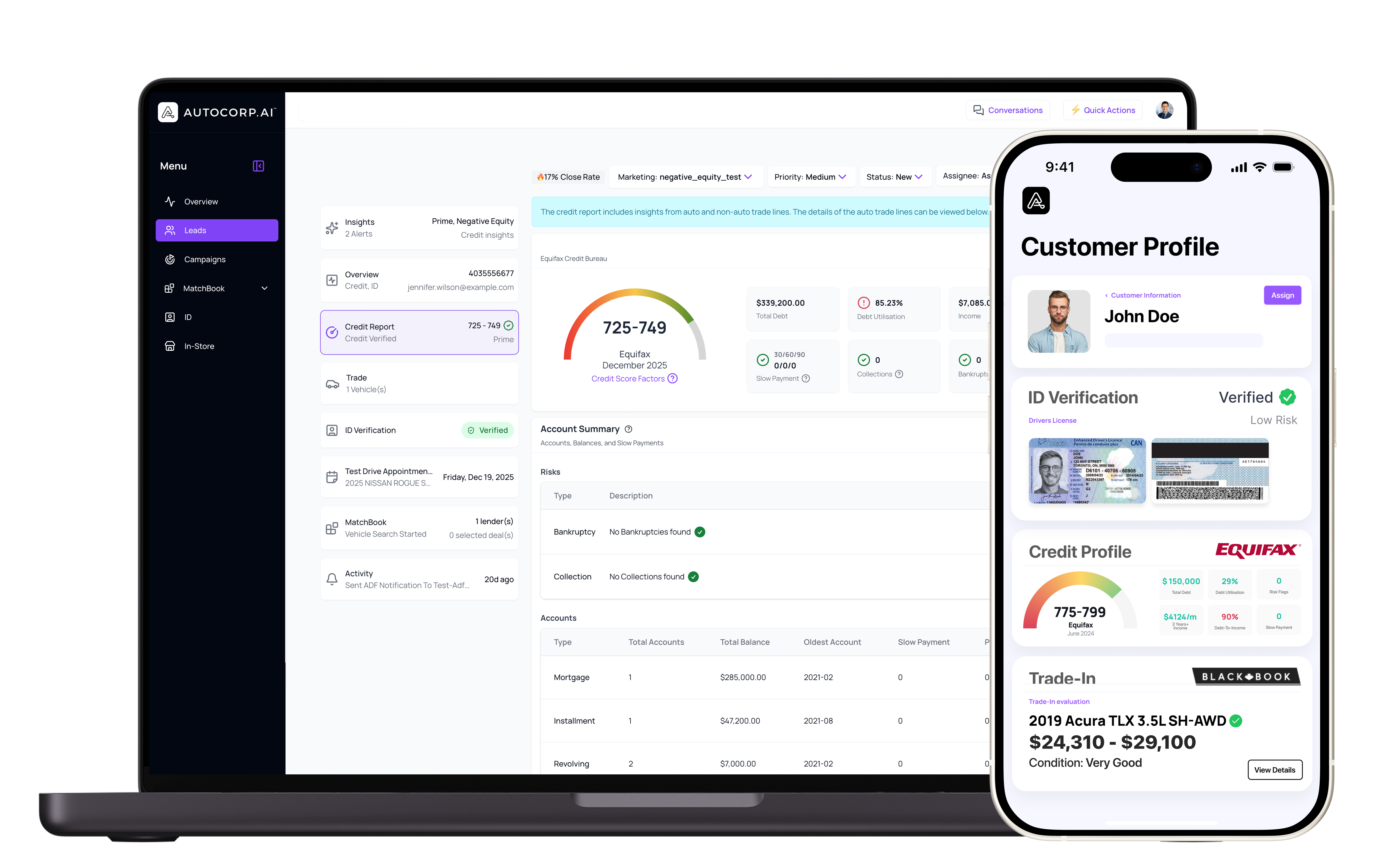
Instead, shift your focus toward identifying high-intent buyers early. Look for signals like completed forms, vehicle-specific inquiries, and financing interest. Tools that help surface credit-qualified leads can make a big difference here, allowing your team to spend more time with buyers who are actually in a position to move forward.
Speed is still one of the biggest factors in winning a deal.
Today’s car shoppers often submit multiple inquiries across different dealerships. The first one to respond usually sets the tone for the entire buying experience.
Aim to respond to every lead within minutes, not hours. Even a quick acknowledgment message can keep the customer engaged while your team prepares a more detailed follow-up.
Automation can help here, but it’s important that responses still feel personal and relevant to the customer’s inquiry.
Consistency is where most dealerships fall short.
Without a clear follow-up strategy, leads fall through the cracks or receive inconsistent communication. A structured process ensures every lead gets the attention it deserves.
A strong approach includes:
The goal is to stay helpful and visible without being overwhelming.

Generic messaging no longer works.
Customers expect personalized communication that reflects their interests and needs. Referencing the exact vehicle they inquired about, their trade-in, or their financing goals shows that you’re paying attention.
Even small details can make a big difference in building trust and increasing engagement. The more relevant your communication feels, the more likely the customer is to respond.
One of the most effective ways to improve automotive lead management is by introducing credit earlier in the journey.
Many deals slow down or fall apart because financial expectations aren’t aligned. By helping customers understand their buying power upfront, you can eliminate uncertainty and have more productive conversations.
This is where solutions like AVA™ Credit can play a role. By enabling soft credit checks without impacting the customer’s score, dealerships can identify qualified buyers sooner and structure deals with more confidence.
The result is fewer dead-end conversations and a smoother path to closing.
A major gap in many dealerships is the disconnect between marketing and sales.
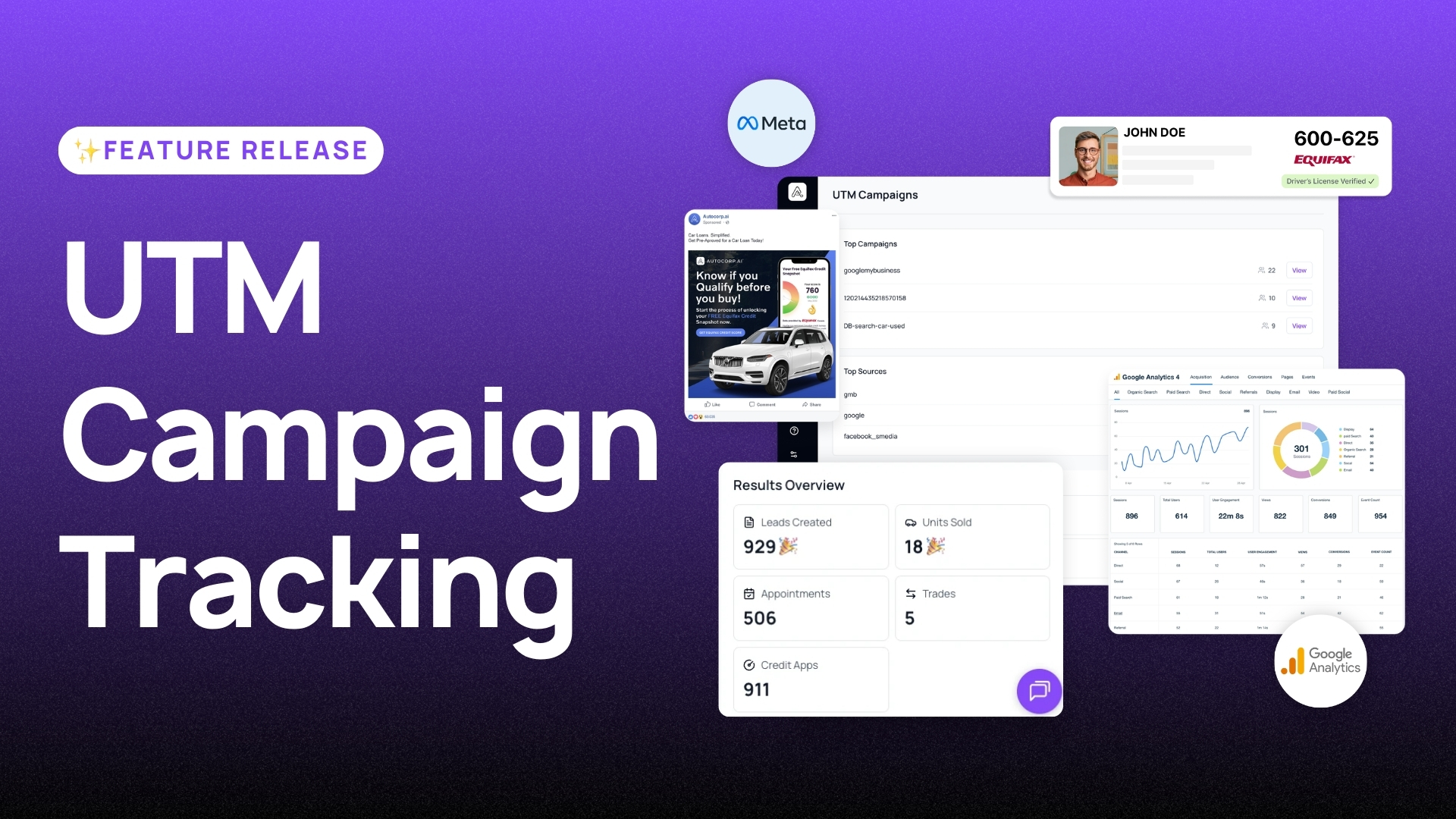
Leads come in from various sources, but it’s often unclear which campaigns are actually driving results. Without this visibility, it’s difficult to optimize marketing spend or improve lead quality.
Tracking where your automotive leads are coming from, and how they perform once they enter your pipeline, allows you to make smarter decisions. When marketing and sales are aligned, your entire operation becomes more efficient.
Lead management isn’t just about processes, it’s about people.
Every interaction a customer has with your dealership shapes their perception of your brand. A smooth, transparent, and helpful experience builds trust and increases the likelihood of a sale.
Make it easy for customers to:
Dealerships that prioritize the customer experience consistently outperform those that rely on outdated tactics.
Even the best processes won’t work without proper execution.
Your sales and BDC teams need ongoing training to handle automotive leads effectively. This includes communication skills, product knowledge, and understanding how to use your technology stack.
Regular coaching and performance reviews help ensure your team is improving over time and adapting to changing customer expectations.
Managing automotive leads in 2026 is about working smarter, not harder.
Dealerships that succeed are the ones that move quickly, prioritize qualified buyers, and create a better overall experience for their customers. By focusing on quality, consistency, and early insights like credit qualification, you can turn more leads into real opportunities.
The tools and strategies are available. The advantage comes from how well you use them.