
Accurate vehicle appraisals are critical to dealership profitability, inventory management, and customer trust. In today’s market, where pricing shifts quickly and consumers are more informed than ever, relying on outdated valuation methods can lead to missed opportunities or unnecessary risk. This is why Black Book car appraisals remain a core reference point for many dealerships across North America.
Understanding how Black Book values work, when to rely on them, and how to use them alongside modern automotive technology can help dealers price vehicles more accurately and move inventory faster.
Black Book is a widely used vehicle valuation guide that provides wholesale and retail pricing data based on real market activity. Unlike static pricing models, Black Book values are informed by auction transactions, dealer sales, market demand, and regional trends.
For dealerships, Black Book appraisals serve several key purposes:
-They help establish realistic trade in values
-They support competitive pricing decisions
-They provide consistency across appraisal processes
-They reduce reliance on gut instinct alone
Because Black Book focuses heavily on wholesale market behaviour, it is particularly valuable for understanding what vehicles are actually selling for, not just what they are listed for.
Black Book values are built using a combination of data sources and market analysis. These include auction results, dealer reported sales, inventory levels, and regional demand patterns. Analysts adjust values frequently to reflect changes in supply, seasonality, and broader economic factors.
This frequent updating is important. Vehicle values can change quickly due to interest rates, fuel prices, incentives, and shifts in consumer preference. Black Book’s approach helps dealerships stay aligned with current market conditions rather than relying on outdated averages.
However, no valuation guide should be treated as a fixed number. Black Book appraisals are best used as a reference point within a broader appraisal strategy.

Trade ins are one of the most sensitive moments in the sales process. Customers often arrive with their own research, expectations, and emotional attachment to their vehicle.
Using Black Book car appraisals during trade in discussions can help create transparency. When a dealer can explain that an offer is based on current market data rather than arbitrary judgment, it builds credibility.
That said, trade in values should also account for factors beyond book data. Vehicle condition, mileage, reconditioning costs, and local demand all influence the true value of a trade. Black Book provides the foundation, but experienced appraisers apply professional judgment on top of it.
Pricing inventory correctly is essential for balancing turn rate and gross profit. Overpricing leads to aged units, while underpricing leaves money on the table.
Black Book appraisals help dealers understand where a vehicle sits relative to the wholesale market. This insight is especially useful when deciding whether to retail or wholesale a unit, or when determining how aggressively to price a vehicle for a faster sale.
By referencing Black Book values alongside days supply and market competition, dealerships can make more informed pricing decisions and reduce inventory risk.
Trust plays a major role in today’s buying experience. Shoppers are more skeptical and more educated than in the past. When appraisals feel opaque or inconsistent, confidence erodes quickly.
Using recognized valuation sources like Black Book can help dealerships communicate fairness. When combined with clear explanations and consistent processes, this transparency can reduce friction and improve closing rates.
Dealers who explain how values are determined often find that customers are more willing to accept realistic offers, even if those offers are lower than initial expectations.
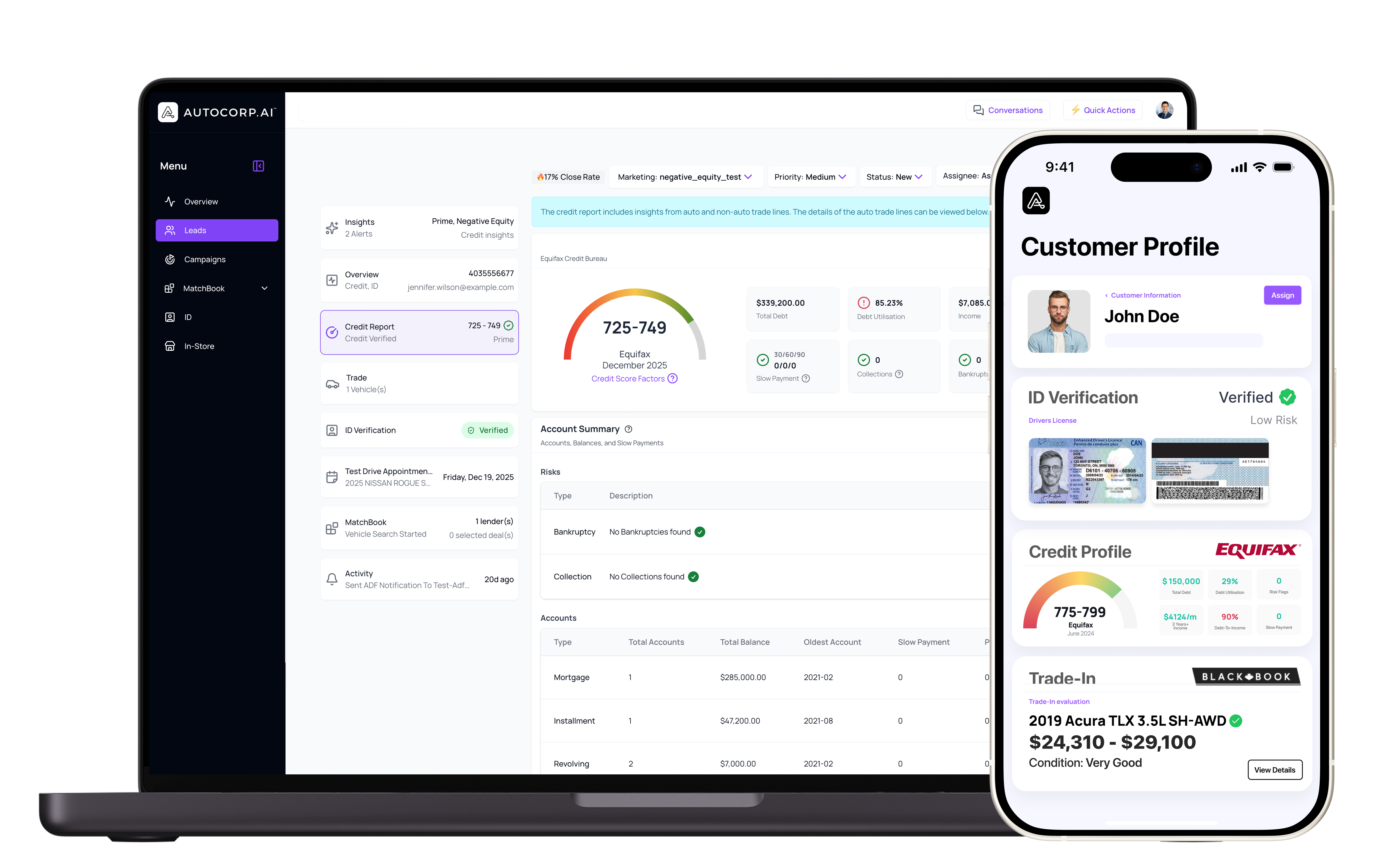
Dealerships are also using trade in focused technology to bring more structure and consistency to the appraisal process. Tools like AVA™ Trade help capture vehicle details, condition inputs, and customer expectations early in the journey, creating a clearer starting point for appraisal discussions. When paired with market data from sources such as Black Book, this approach helps sales teams align trade values with real world conditions while keeping conversations transparent and efficient.
Despite its usefulness, Black Book data can be misused if applied incorrectly. Common mistakes include treating values as fixed numbers, ignoring local market conditions, or failing to adjust for vehicle condition.
Another mistake is using valuation data too late in the process. When appraisal conversations happen only at the end of a deal, they are more likely to cause friction. Bringing data driven appraisals into the conversation earlier helps avoid misunderstandings and wasted time.
Dealerships that train teams on how to interpret and explain valuation data tend to see better outcomes.

For Canadian dealerships, regional pricing differences are especially important. Weather, fuel costs, and regional demand can significantly impact vehicle values.
Canadian Black Book data reflects these market realities, making it a valuable resource for dealers operating in diverse regions. Using region specific data helps ensure appraisals reflect actual buyer demand rather than national averages alone.
To get the most value from Black Book appraisals, dealerships should follow a few best practices:
-Use Black Book as a reference, not a rule
-Combine book data with condition and market factors
-Train staff to explain valuation logic clearly
-Integrate appraisal data into digital workflows
-Review values regularly as market conditions change
When used correctly, Black Book supports consistency, transparency, and smarter decision making.
Black Book is a vehicle valuation guide that provides wholesale and retail pricing data based on real market activity. Its values are informed by auction transactions, dealer sales, market demand, and regional trends, which helps dealers understand what vehicles are selling for, not just what they’re listed for.
Black Book values are built from auction results, dealer-reported sales, inventory levels, and regional demand patterns. Analysts update values often to reflect supply changes, seasonality, and broader market forces that can move prices quickly.
No. Black Book works best as a reference point, then the dealer adjusts based on the vehicle’s condition, mileage, reconditioning costs, and local demand. Treating it as a fixed number is a common mistake that can lead to bad offers or pricing.
Using Black Book during trade-in talks can help create transparency because the dealer can explain the offer using recognized market data. It also helps reduce “gut feel” pricing, as long as the final number reflects the vehicle’s real condition and the local market.
Regional pricing matters a lot in Canada because weather, fuel costs, and local demand can shift values by area. Canadian Black Book data reflects these regional differences, which can help dealers avoid pricing off broad national averages.
Automotive retail continues to evolve, but the need for reliable valuation data has not changed. In fact, as pricing volatility increases, accurate and timely appraisals become even more important.
Black Book car appraisals remain a trusted tool because they are grounded in real market activity. When paired with modern automotive technology and thoughtful dealership processes, they help dealers stay competitive, reduce risk, and build stronger customer relationships.
The dealerships that succeed long term are those that combine trusted data sources with experience, technology, and transparency. Black Book remains a key part of that equation.