Activix
  AutoTrader
  Black Book
  CarGurus
  Equifax
  TransUnion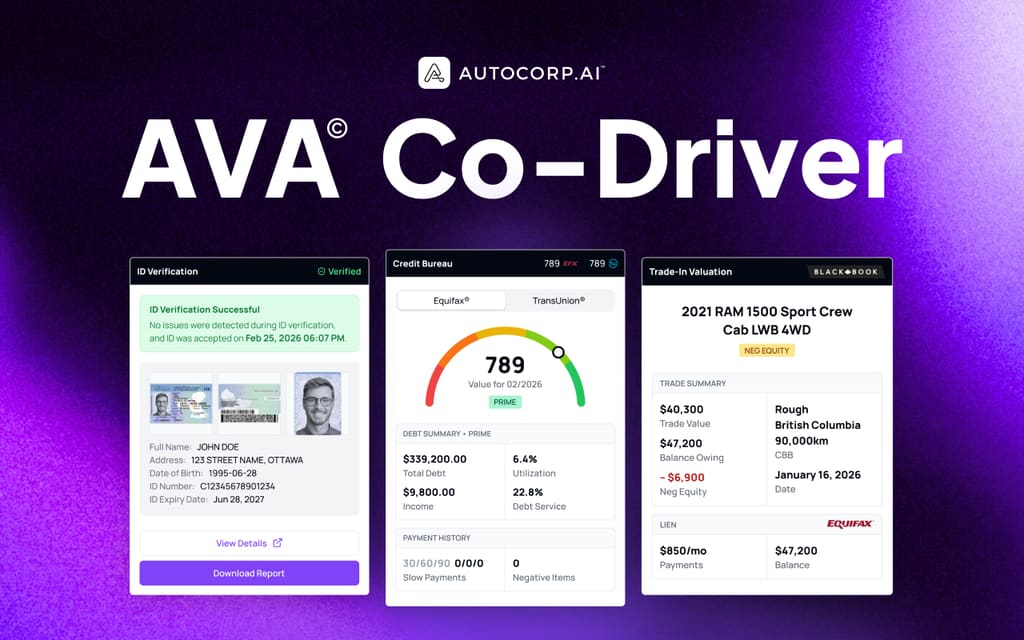



Search engine optimization (SEO) has always been a moving target, and 2025 is no exception. For car dealerships, the competition for online visibility has never been tougher. Between the rise of AI search, evolving Google algorithms, and shifting consumer behaviour, many dealers are asking the same question: What actually works for SEO in 2025?
Key Takeaways
- Local SEO still drives most high-intent car shoppers, so complete and optimize your Google Business Profile, listings, and reviews.
- High-quality inventory pages win traffic, so use unique descriptions, strong photos, structured data, and clear calls to action on every vehicle page.
- Content that answers real buyer questions, like payments, approvals, trade-ins, and credit, earns more search visibility and better AI citations.
- Technical SEO, such as fast page speed, mobile-first design, and clean site structure, supports better rankings and smoother buyer journeys.
- First-party data and analytics, such as CRM insights and lead tracking, help you focus SEO on the channels and keywords that actually sell cars.
In this article, we’ll break down the strategies that still deliver results and share practical, dealer-tested tips to ensure your dealership’s website attracts, engages, and converts more car buyers.
Why Car Dealer SEO Still Matters in 2025
Car shoppers still start their journey online. According to Google, over 90% of auto buyers research before ever stepping foot in a showroom. If your dealership isn’t showing up in searches like “used cars near me” or “Ford dealer in Toronto,” you’re missing out on high-intent traffic.
What’s changed is how customers find you. AI-powered search results, voice search, and local map listings dominate the first page. That means your SEO strategy needs to be sharp, local, and customer-focused.
1. Double Down on Local SEO
Local visibility is still the cornerstone of car dealer SEO in 2025.
- Google Business Profile Optimization: Keep your hours, phone numbers, and photos updated. Encourage customers to leave reviews, and respond to them consistently.
- Location Pages: Create optimized landing pages for each city or community you serve. Don’t just list your address—add local content that helps your dealership rank for searches like “used cars in Vancouver.”
- NAP Consistency: Ensure your name, address, and phone number are consistent across your website, social media, and directories.
2. Content That Matches Buyer Intent
Blogging and content marketing remain powerful in 2025—but only if they’re relevant. Dealerships should focus on:
- How-to guides: “How to Get Approved for Auto Financing in Ontario”
- Comparisons: “Honda Civic vs. Toyota Corolla: Which is Better for Canadian Drivers?”
- Local content: “Best Cars for Winter Driving in Calgary”
High-quality, local, and helpful content positions your dealership as an authority while capturing organic search traffic.
3. Optimize for AI and Voice Search
With AI-powered tools like Google’s Search Generative Experience and voice assistants becoming mainstream, the way people search is changing. Instead of short keywords, queries are now conversational.
Dealers should:
- Include natural, long-tail phrases in blogs and FAQs.
- Answer questions directly: “How much is a used SUV in Edmonton?”
- Use schema markup to help search engines understand your content and highlight it in AI-driven snippets.
4. Faster, Smarter Websites
Website speed and usability are non-negotiable in 2025. A slow-loading site not only frustrates shoppers but also hurts your rankings.
Make sure your site:
- Loads in under 3 seconds.
- Is fully mobile-friendly.
- Has clear calls to action (book a test drive, get pre-qualified, value your trade).
- Uses structured data to enhance listings on Google.
AVA® converts your website and campaign traffic into buyers with real credit intent. Walk through it.
Book a demo →5. Reviews and Reputation Management
Customer reviews are more important than ever for SEO. Google uses review quantity, freshness, and sentiment as ranking signals.
- Encourage happy customers to leave reviews.
- Respond quickly and professionally to both positive and negative feedback.
- Showcase reviews on your website to build trust with future buyers.
6. Technical SEO and Analytics
Behind-the-scenes SEO still matters:
- Fix broken links and 404 errors.
- Ensure your site is HTTPS secure.
- Use XML sitemaps and robots.txt correctly.
- Monitor performance with Google Analytics 4 and Search Console to adjust strategies as needed.
Frequently Asked Questions About Car Dealer SEO in 2025
What SEO tactics still work best for car dealers in 2025?
The tactics that still work best are simple but require consistency. Local SEO with a complete Google Business Profile and accurate NAP details drives nearby shoppers. Strong inventory pages with unique copy, high-quality photos, and structured data increase visibility for “car + near me” and model searches. Helpful content that answers finance, trade-in, and approval questions builds trust and organic traffic. When this is paired with fast, mobile-friendly pages and basic technical SEO, dealers see steady gains in both leads and sales.
How important is local SEO for car dealerships today?
Local SEO is still the core of car dealer search strategy. Shoppers often search from their phone with clear intent, such as “used SUV near me” or “Honda dealer in [city].” Google uses local signals like your address, reviews, hours, and categories to decide who shows on the map and in top results. Dealers that keep their Google Business Profile updated, gather fresh reviews, and keep consistent name, address, and phone details across the web tend to show up more often for these ready-to-buy searches.
What should an optimized vehicle detail page (VDP) include?
An optimized VDP should give search engines clear data and shoppers clear answers. Each page needs a unique title, meta description, and on-page copy that name the year, make, model, trim, and key features. High-quality photos, price details, payment options, and visible calls to action reduce bounce and improve conversions. Adding structured data for vehicle schema helps search engines read the listing in a more precise way, which supports better visibility in search and more accurate use in AI-generated answers.
Does content about financing and approvals help car dealer SEO?
Yes, content about financing, approvals, and credit helps both SEO and conversions. Buyers want to know if they can get approved, how much they might pay, and what documents they need. When you answer these questions in blog posts, guides, and on landing pages, you target long-tail keywords that have clear intent. This type of content also gives AI tools a reliable source to cite when users ask questions about car financing, which can put your brand in front of more shoppers.
How can car dealers measure if their SEO is working in 2025?
Car dealers can track SEO performance by watching a few key metrics. Organic traffic to inventory pages, finance pages, and key landing pages should rise over time. Phone calls, form fills, chat leads, and store visits coming from organic channels should also increase. Tools like Google Analytics, Google Search Console, and the dealership CRM help connect visits and leads back to keywords and pages. The most important sign that SEO is working is simple: more qualified leads and sales from unpaid search traffic.
Final Thoughts: Car Dealer SEO That Works in 2025
The fundamentals of SEO haven’t changed, be useful, relevant, and local, but the tools and expectations have evolved. Dealerships that embrace AI-friendly content, local optimization, and fast, customer-focused websites will continue to rank higher and convert more leads.
The dealers who win in 2025 will be the ones who treat SEO not as a one-time task, but as an ongoing strategy to build visibility and trust with car buyers.