Activix
  AutoTrader
  Black Book
  CarGurus
  Equifax
  TransUnion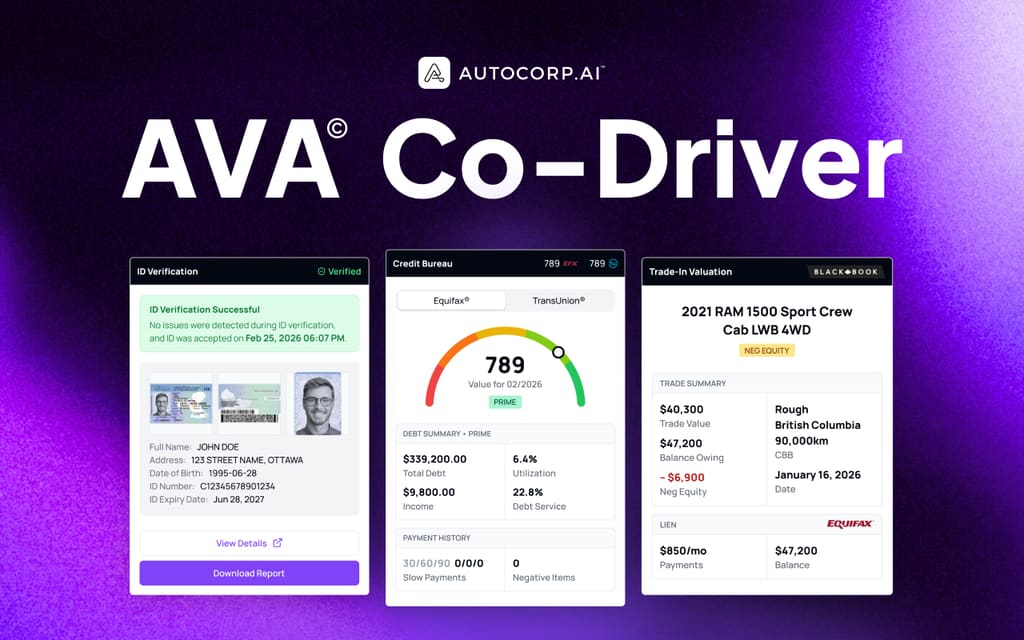



Every dealership and salesperson experiences slow periods. Whether it’s a dip in showroom traffic or a stretch of missed deals, a car sales slump can feel frustrating and unpredictable.
The difference in 2026 isn’t whether slumps happen, it’s how quickly you can identify the cause and adjust your approach. Today’s market is more data-driven, more competitive, and more dependent on process than ever before.
If your numbers are down, here’s how to reset, refocus, and start closing more deals again.
Key Takeaways
- A car sales slump usually comes from one of three issues: lead quality, follow-up process, or the in-store sales experience.
- Dealerships recover faster when they review lead sources, response times, appointment rates, and close rates to find the real gap.
- High-intent buyers, such as shoppers with financing interest, trade-in details, or a specific vehicle in mind, should get priority.
- Faster response times and consistent follow-up across calls, texts, and emails can improve engagement and close more deals.
- Stronger results often come from better process, clearer marketing, and a sales approach that matches how modern buyers shop.
Start by Diagnosing the Problem
Before making changes, figure out where things are breaking down.
Is traffic down?
Are leads not converting?
Is your team struggling to follow up effectively?
A slowdown in car sales is usually tied to one of three areas:
- Lead quality
- Follow-up process
- In-store experience
Review your numbers. Look at lead sources, response times, appointment rates, and close rates. Once you understand where the gap is, you can fix it faster.

Refocus on High-Intent Buyers
One of the biggest mistakes during a slump is chasing more leads instead of better ones.
Not every inquiry is worth the same amount of time. In today’s market, identifying serious buyers early is critical.
Look for signals like:
- Financing inquiries
- Trade-in submissions
- Specific vehicle interest
Tools that help surface credit-qualified buyers can give your team a major advantage. For example, using solutions like AVA Credit to introduce soft credit checks early allows you to prioritize buyers who are actually in a position to purchase.
When your team focuses on real opportunities, productivity increases quickly.
Tighten Your Follow-Up Process
When sales slow down, follow-up becomes even more important.
Most deals aren’t lost because of price, they’re lost due to lack of consistent communication. If your team isn’t following up properly, you’re leaving deals on the table.
A strong follow-up strategy should include:
- Immediate first response
- Multiple touch-points over 2 to 3 weeks
- A mix of calls, texts, and emails
- Personalized messaging based on the customer
Consistency builds trust. Even a small improvement in follow-up can lead to a noticeable increase in closed deals.
Improve Speed to Lead
Speed is one of the easiest ways to gain an edge during a sales slump.
Customers often submit leads to multiple dealerships at once. The first one to respond has the best chance of earning their attention.
Aim to respond within minutes, not hours. Even a quick message acknowledging the inquiry can keep the conversation alive while you prepare a more detailed response.
If your response times are slow, fixing this alone can help turn things around quickly.
Refresh Your Marketing Strategy
AVA® surfaces soft-pull credit, trade equity, and verified ID on every lead. Take the 60-second tour.
Book a demo →Sometimes the issue isn’t your sales team, it’s your traffic.
If your campaigns are producing low-quality automotive leads, your team will struggle no matter how good they are. Take time to evaluate your marketing channels and messaging.
Ask yourself:
- Are we targeting the right audience?
- Are our offers still competitive?
- Do we clearly communicate financing options?
This is also a good time to test new campaigns or adjust your messaging. Even small changes can improve lead quality and engagement.
Align Sales With Today’s Buyer
Car buyers in 2026 are more informed and more selective.
They’ve already researched pricing, compared vehicles, and often explored financing options before reaching out. If your process hasn’t evolved, it can create friction.
Instead of focusing on selling, focus on guiding.
Help customers:
- Understand their options
- Clarify their budget
- Move through the process efficiently
Dealerships that adapt to modern buyer expectations tend to recover from slumps faster.
Re-Energize Your Team
Sales slumps aren’t just about numbers, they impact morale.
When confidence drops, performance usually follows. That’s why it’s important to reset the mindset of your team.
Simple ways to do this:
- Set small, achievable daily goals
- Celebrate quick wins
- Provide coaching and feedback
- Revisit proven sales processes
Confidence builds momentum. Momentum builds results.

Look for Process Gaps in the Showroom
If traffic is steady but deals aren’t closing, the issue may be in-store.
Common breakdowns include:
- Poor needs assessment
- Weak product presentations
- Rushed or unclear financing conversations
Make sure your team is following a clear, structured process from greeting to close. Even experienced salespeople can drift away from best practices over time.
Reinforcing the basics can have an immediate impact.
Final Thoughts
A slump in car sales isn’t permanent, but ignoring it can make it last longer than it should.
The dealerships that recover fastest are the ones that focus on process, prioritize qualified buyers, and adapt to how customers shop today.
Instead of chasing quick fixes, take a step back, identify the gaps, and make targeted improvements. With the right adjustments, your next hot streak could be right around the