Activix
  AutoTrader
  Black Book
  CarGurus
  Equifax
  TransUnion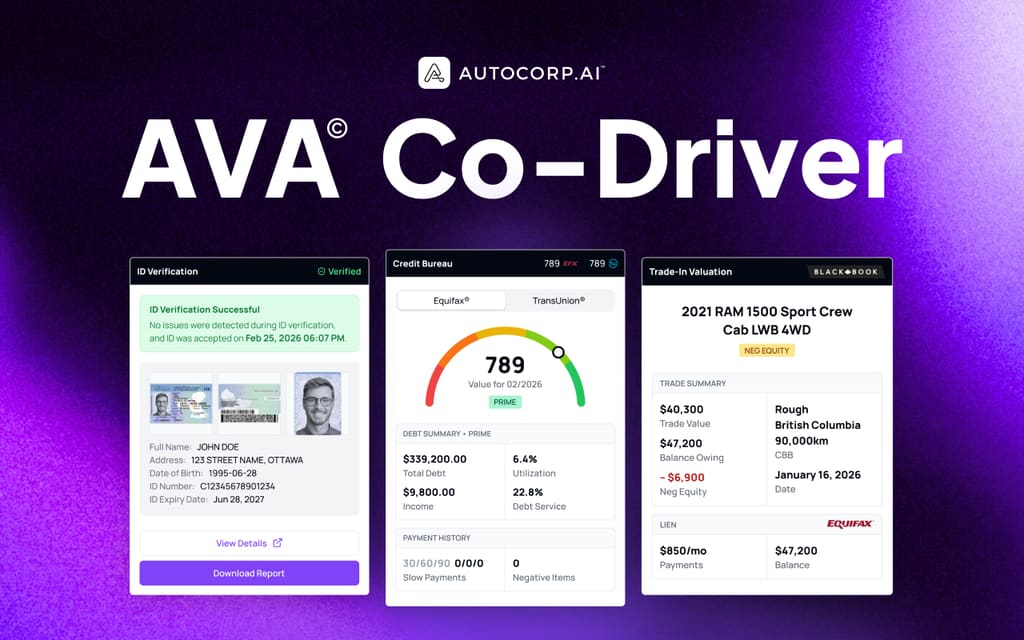



Running a successful car dealership means more than just moving inventory, it’s about consistently driving new traffic, generating credit qualified leads, and converting online shoppers into loyal buyers. In today’s digital-first landscape, your dealership’s ability to execute and measure a smart marketing strategy can make or break your sales goals.
While showroom experience still matters, automotive digital marketing plays a critical role in attracting and converting modern car buyers. If your goal is to sell more vehicles each month, you need to know exactly what’s working and what’s not in your marketing funnel.
In this article, we’ll break down how to measure the success of your car dealership's digital marketing strategy, with clear steps, measurable objectives, and smart tracking techniques.
Key Takeaways
- Tracking website conversions (forms, calls, trade-in tools, soft credit checks) is the clearest way to measure if digital marketing drives real buyers, not just clicks.
- Set a clear budget and list your resources (in-house vs agency) before launching campaigns, so results can be tied to spend.
- Define 1 to 3 campaign objectives and KPIs (traffic, leads, lead-to-sale rate), then align targeting, messaging, and channels to those KPIs.
- Use a campaign timeline with milestones and check-in dates, so you can optimize mid-campaign instead of waiting until the end.
- Require simple, transparent reporting from any marketing agency, focused on KPIs and next steps, not long reports.
🚀 Step 1: Set a Clear Budget and Evaluate Your Resources
Before launching any campaign, it’s essential to define how much you’re willing to spend and what internal or external resources you have available.
Ask yourself:
- What is our total digital marketing budget for this campaign?
- Do we have in-house staff managing campaigns, or are we outsourcing to a marketing agency?
- How much time and labor are available to support this initiative?
Establishing your digital marketing budget and resources will help set realistic expectations and ensure you can tie results to the investment you’ve made.

🎯 Step 2: Define Your Digital Marketing Objectives
Every successful dealership campaign starts with a clearly defined objective. Without one, you're simply guessing at what success looks like.
Common dealership marketing goals include:
- Driving more website traffic to your inventory pages
- Increasing social media engagement
- Boosting form submissions or pre-qualification applications
- Improving lead-to-sale conversion rates
Identify one or more primary KPIs (Key Performance Indicators) for each campaign. Then align your messaging, targeting, and platforms around achieving that goal.
📅 Step 3: Establish a Campaign Timeline and Milestones
Next, set a defined timeline for your campaign. Ask:
- How long will the campaign run?
- Are there specific stages (awareness, lead generation, retargeting)?
- When will we evaluate results and optimize or pivot?
Having a marketing campaign timeline ensures you're not only measuring performance, but also making timely decisions to improve outcomes.
📊 Track the Most Important Metric: Website Conversions
If you’re not tracking website conversions, you’re missing the most valuable performance insight your digital campaigns can deliver.
Website conversions can include:
AVA® converts your website and campaign traffic into buyers with real credit intent. Walk through it.
Book a demo →- Lead form submissions
- Trade-in tool completions
- Soft credit checks (like AVA™ Credit)
- Clicks-to-call or map views
These actions reveal whether visitors are just browsing or are ready to buy. Set up proper tracking through tools like Google Analytics, Meta Pixel, or your dealership CRM.

🤝 Working With a Marketing Agency? Set Expectations Early
If you partner with a digital marketing agency, make sure they provide transparent, regular reporting. You don’t need 20-page reports, just clear, actionable metrics that show whether your campaigns are moving the needle.
Expect:
- Monthly or bi-weekly summaries of performance
- Updates on KPIs tied to your goals
- Proactive suggestions for improvement
⚠️ Red flag: If your agency avoids sharing certain data or won’t discuss results openly, it’s time to re-evaluate that relationship. You deserve full visibility into how your budget is being spent and what it’s delivering.
Frequently Asked Questions About Measuring Car Dealership Digital Marketing Success
What is the most important metric to track for dealership digital marketing?
Website conversions are the most important metric because they show buyer intent. Focus on actions like lead form submissions, clicks-to-call, map views, trade-in tool completions, and soft credit checks (like AVA Credit). These conversions connect marketing traffic to real sales opportunities.
What counts as a website conversion for a car dealership?
A dealership website conversion is any action that signals the shopper wants to take the next step. Common examples include submitting a lead form, starting a finance or pre-qualification form, completing a trade-in tool, calling from a mobile click-to-call button, or viewing directions in Google Maps.
How do you choose KPIs for a dealership marketing campaign?
Start with one clear goal, then pick KPIs that match it. If the goal is lead volume, track form fills, calls, and cost per lead. If the goal is better sales efficiency, track lead-to-sale conversion rate and cost per sale (when your CRM tracking supports it). Keep KPIs limited so reporting stays clear.
How often should a dealership review digital marketing results?
Review results on a set schedule tied to your campaign timeline. Many dealers check weekly for pacing (spend, leads, conversion rate) and do a deeper review bi-weekly or monthly to decide what to adjust. The main point is to set check-in dates before the campaign starts.
What should a dealership expect from a marketing agency’s reporting?
Expect simple reporting that ties back to your KPIs, plus a short summary of what changed and what to do next. Reporting should include core numbers (spend, leads, conversion rate, cost per lead) and clear notes on what is working, what is not, and what will be tested next. If an agency avoids sharing data, that is a serious warning sign.
Final Thoughts: Better Measurement = Smarter Marketing
Digital marketing success isn’t just about ad clicks, it’s about knowing what’s driving real results. By clearly setting your budget, defining objectives, establishing a campaign timeline, and tracking website conversions, your dealership will be positioned to make smarter, faster marketing decisions that lead to more cars sold.
Want to improve your marketing ROI and turn more online shoppers into buyers?
✅ Start with clear metrics.
✅ Use tools built for dealers.
✅ And stay accountable to your numbers.